Tech Mindset Africa Tech Mindset Africa
  • IRAIC 2027
Get Started
By TMA
June 15, 2026
InsightsArticle

Preparing the Next Generation: How African Higher Education Can Align with the Intelligent Economy

Tech Mindset Africa·15 June 2026·2 min read

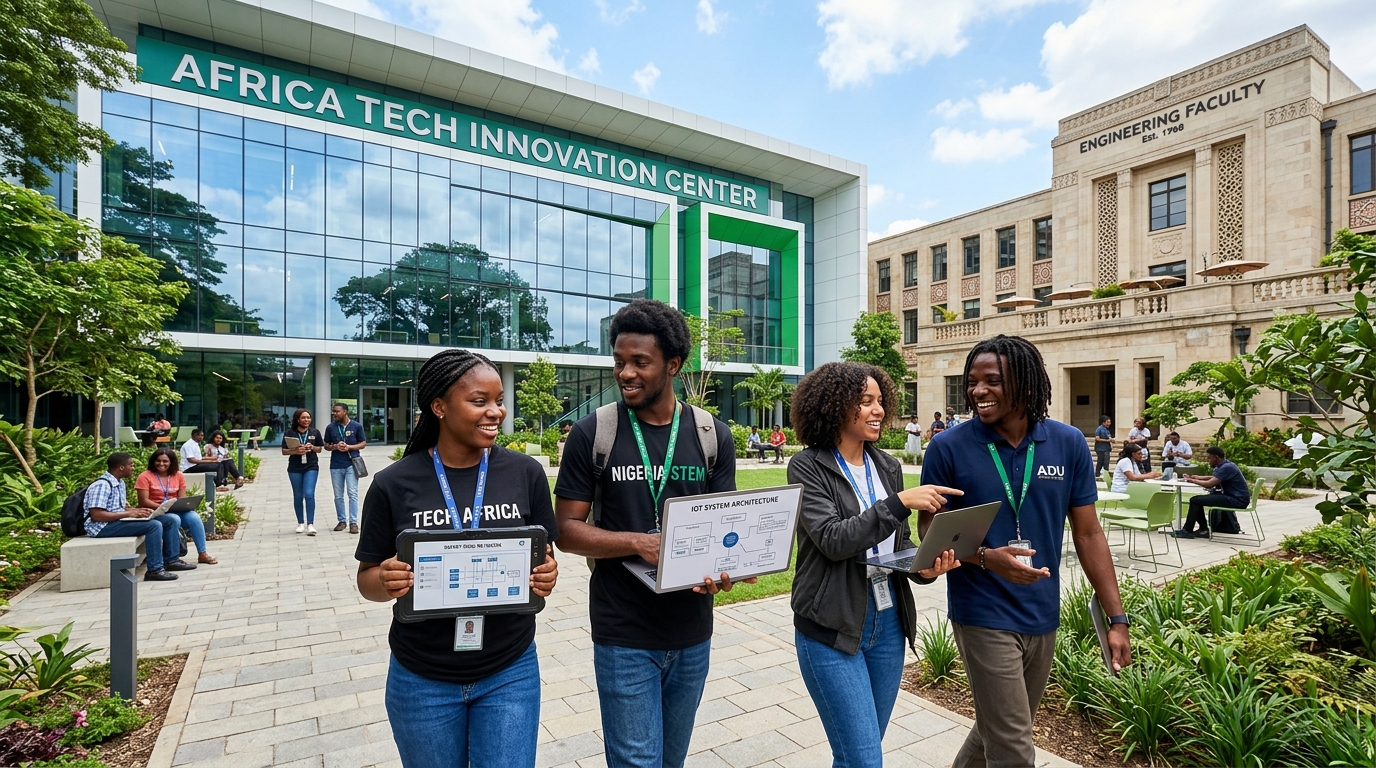
Every year, thousands of brilliant engineering, business, and technology graduates walk across graduation stages at universities across the continent. They hold degrees that symbolize years of intense academic discipline. Yet, upon stepping into the highly competitive job market, many face a sobering reality: the technical frameworks they mastered in lecture halls are completely disconnected from the rapid, AI-driven infrastructure being built by modern enterprises.

Africa has the youngest, most energetic workforce potential in the world. However, if our higher education systems continue to rely on outdated, theory-heavy curriculums, we risk creating a profound talent mismatch in the emerging intelligent economy.

To bridge this gap, we need an urgent, radical alignment between traditional academia and private technological innovation hubs.

The Academic Disconnect vs. The Industry Pace

The primary challenge facing traditional higher education is the speed of technological evolution. Developing a university curriculum, getting it accredited, and rolling it out across an institution can take years. In contrast, the landscape of artificial intelligence, automated infrastructure, and data science shifts in a matter of weeks.

When academic frameworks focus strictly on rote memorization or historical computer science theory without integrating modern, industry-standard tools, students miss out on practical employability. The industry doesn’t just need people who can explain a database structure; it needs engineers who can confidently manage APIs, maintain cloud environments, secure network architectures, and optimize live LLM applications under strict timelines.

The Blueprint for Academic-Industry Synergy

To ensure the next generation of graduates is ready to drive top-line growth from Day 1, tech policymakers, academic boards, and private industry leaders must collaborate on a structured integration strategy:

1. Hands-On Practical Internships and Immersive Hackathons

Universities must partner deeply with works departments, engineering firms, and technical creative agencies to build structured, multi-month internship pipelines. Furthermore, hosting high-intensity campus hackathons centered around solving actual local market challenges (like agriculture optimization or fintech security) forces students to apply their engineering principles to real data environments.

2. Curriculum Co-Creation with Tech Hubs

Academic boards should open their doors to private sector technical leaders to serve as curriculum consultants and guest facilitators. By embedding real-world tools, modern software tracking, and cloud virtualization practices directly into the coursework, the boundary between university education and market demand completely dissolves.

3. Transitioning from Student to Industry Specialization

Higher education must serve as the launching pad for long-term technical mastery. A general engineering or computer science degree should seamlessly transition into specialized technical tracks, whether that is mastering automotive engineering systems, advancing cybersecurity protocols, or becoming an expert in localized AI model development.

Securing Africa’s Economic Future

Aligning higher education with the intelligent economy isn’t just an academic upgrade; it is a vital strategy for continental self-reliance and global competitiveness. When private tech ecosystems and universities unite, we stop merely producing graduates with degrees, and start unlocking highly employable, visionary technical leaders ready to scale Africa’s digital future.


Share

More insights

All insights
Tech Mindset AfricaLeading the Charge: Navigating and Scaling Female Executive Leadership in Africa’s Tech Ecosystem

Leading the Charge: Navigating and Scaling Female Executive Leadership in Africa’s Tech Ecosystem

Tech Mindset Africa·15 June 2026

Tech Mindset AfricaAI Literacy as an Economic Lifeline: The Broader Impact of Tech Education on Food Security and Trade

AI Literacy as an Economic Lifeline: The Broader Impact of Tech Education on Food Security and Trade

When industry commentators discuss the ongoing artificial intelligence revolution, the dialogue typically revolves around tech hubs, white-collar corporate automation, financial technology, and cutting-edge software development. In the context of the African continent, however, this narrow framing completely misses the mark.…

Tech Mindset Africa·15 June 2026

Tech Mindset AfricaThe Diaspora Connection: How Cross-Border Tech Forums are Funneling Innovation Back to Africa

The Diaspora Connection: How Cross-Border Tech Forums are Funneling Innovation Back to Africa

For decades, the narrative surrounding African intellect moving abroad was framed strictly around the concept of a “brain drain.” Highly skilled engineers, scientists, finance experts, and academic leaders left cities like Nairobi, Lagos, and Accra for the innovation hubs of…

Tech Mindset Africa·15 June 2026

Categories: Ai for Africa, Artificial Intelligence, Business, Education, Human Resources, Skill Acquisition
Share This Article
Facebook Twitter Pinterest Linkedin
Prev Post
Next Post

Related Articles

Leading the Charge: Navigating and Scaling Female Executive Leadership in Africa’s Tech Ecosystem
By TMA
June 15, 2026

Leading the Charge: Navigating and Scaling Female Executive Leadership in Africa’s Tech Ecosystem

READ MORE
AI Literacy as an Economic Lifeline: The Broader Impact of Tech Education on Food Security and Trade
By TMA
June 15, 2026

AI Literacy as an Economic Lifeline: The Broader Impact of Tech Education on Food Security and Trade

READ MORE

Add your Comment

Recent Posts

  • Leading the Charge: Navigating and Scaling Female Executive Leadership in Africa’s Tech Ecosystem
  • AI Literacy as an Economic Lifeline: The Broader Impact of Tech Education on Food Security and Trade
  • The Diaspora Connection: How Cross-Border Tech Forums are Funneling Innovation Back to Africa
  • Bridging the Gap: Why Technical Enablement is the Missing Piece in Professional Tech Training
  • Preparing the Next Generation: How African Higher Education Can Align with the Intelligent Economy

Recent Comments

No comments to show.

© 2026 Victor Themes. All Rights Reserved.

Tech Mindset Africa

Individuals

AI QuickStartStudents & early-careerAI4EveryoneOpen to everyone

Businesses & Institutions

AI For BusinessesSMEs & business ownersAI4CorporatesCorporate teams & L&DAI4InstitutionsUniversities, schools & NGOsAI4Professional BodiesAssociations & regulators

Government & Leadership

AI4GovernmentMinistries, agencies & countiesAI4Leaders & Decision MakersExecutives & boards
All 8 programs
ImpactAboutInsightsIRAIC 2027 ↗
Nigeria chapter ↗Get started

Programs

All 8 programs
AI QuickStartAI4EveryoneAI For BusinessesAI4CorporatesAI4InstitutionsAI4Professional BodiesAI4GovernmentAI4Leaders & Decision Makers
ImpactAboutInsightsIRAIC 2027 ↗Nigeria chapter ↗Get started

Work with us

Partnerships, co-designed curriculum, funded cohorts — and open roles when we are hiring.

Partner with usJoin our team
Tech Mindset Africa

Where artificial intelligence meets people, strategy, and growth. Sensitize, educate, empower.

Programs

For individualsFor businesses & institutionsFor government & leadersAll 8 programs

Organisation

About usImpact & partnershipsInsightsGet startedIRAIC 2027Nigeria chapter

Nairobi HQ

Design Centre, Westlands, Nairobi, Kenya

info@techmindset-ai.africa+254 725 648 446
© 2026 Tech Mindset Africa Ltd. All rights reserved.techmindset-ai.africa